A Promise of Care — But Who Will Deliver It? Elli Aaltonen on the Road Ahead
Elli Aaltonen challenges leaders to examine how much unpaid support their service models depend on — and whether that expectation is sustainable.
Reading time approximately 5 minutes
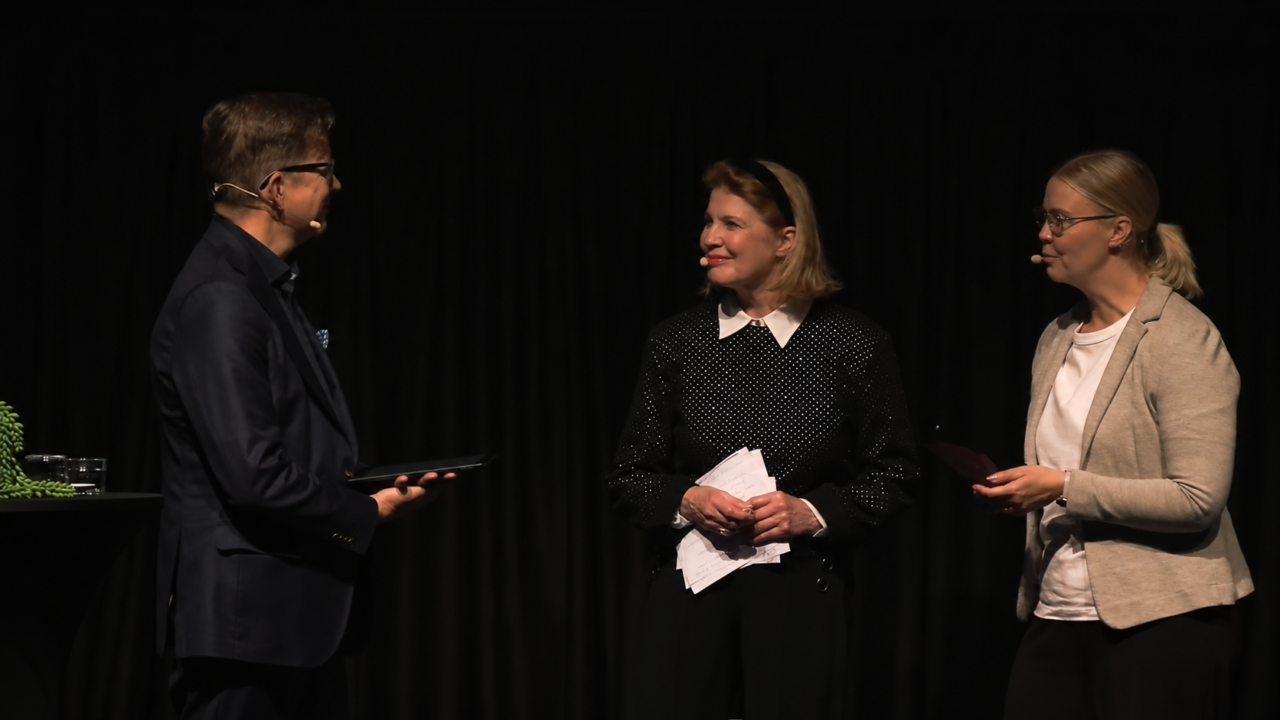
Families already provide a substantial share of everyday care. How much more can they be expected to do? Speaking at KOPA 2026, social policy expert Elli Aaltonen challenged leaders to consider what public services should promise — and what it takes to deliver.
Decisions about care are decisions about responsibility. What will public services provide? What will individuals pay for? And what will families be expected to manage?
At KOPA – Kotihoito ja Palveluasuminen 2026 event in Vantaa, Aaltonen, a Docent in Social Policy, explored how those choices could shape social welfare by 2040.
She questioned the sustainability of solutions that rely on relatives taking greater responsibility or older people contributing more of their financial resources. Such proposals, she argued, fail to adequately recognise the care families already provide and the financial circumstances of those who need support.
Her alternative puts earlier intervention, stronger home care and a clearer public service commitment at the centre of reform.
The responsibility families already carry
Discussions about the future of care often focus on how relatives could contribute more. Aaltonen argued that this debate needs a better understanding of their existing contribution.
Family support is already part of the care system. Increasing expectations of relatives therefore requires more than an assumption that additional help will be available.
For leaders, this raises a question about service design: how much of the support a person needs is actually provided, and how much is left for the family to arrange?
Aaltonen’s concern extends to the gap between assessed need and delivered support. If access criteria tighten, that gap may widen even when a person’s circumstances have not improved.
Stronger home care starts before needs escalate
Aaltonen called for home care to be expanded through cooperation between public and private providers. The objective is to delay the need for more intensive care and reduce pressure on costs.
The content of those services matters. She proposed closer integration of health and nutritional monitoring, rehabilitation and support that maintains people’s ability to manage daily life.
Her argument places prevention within the core service model. Supporting people at home requires timely professional help, attention to their living environment and sustained investment in functional ability.
For care leaders, the practical question is whether services are organised to preserve independence early enough — or mainly to respond once needs have become more demanding.
Two Possible Futures for Care
Aaltonen outlined a challenging scenario in which public responsibility for care shrinks. Higher-income households increasingly turn to private services, while lower-income households depend on more limited public provision.
She presented this as a possible direction to prevent, rather than an inevitable outcome.
Alongside it, she described an alternative based on prevention, rehabilitation, effective services and sustainability. Fairness remains central: people with comparable needs should have equitable access to support across Finland’s wellbeing services counties.
The choices between these futures are already being made through decisions about access, service content and funding.
A service promise needs a delivery commitment
Aaltonen supported a clearer public service promise that explains what people are entitled to expect and receive.
That promise should address quality and timing as well as the services available. Without those commitments, she warned, it risks being understood primarily as a savings measure.
“It is not a quick savings list. It makes visible what society promises and what delivering that promise requires.”
A service promise cannot create resources on its own. It can make responsibilities explicit and provide a basis for assessing whether commitments are being met.
“The service promise must not only be made; it must also be kept, and its delivery must be monitored.”
Community is part of care
Aaltonen also placed loneliness prevention and social support within her vision for the future.
She argued that preventing loneliness deserves a public health focus comparable to efforts to tackle smoking and cardiovascular disease. Social support and social rehabilitation should be central objectives across services, with civil society organisations playing an important role.
Community, she reminded the audience, requires more than a shared address. It develops through participation, activities and everyday encounters.
Her keynote leaves leaders with a concrete challenge: define what care should deliver, recognise the contribution already made by families, and build services capable of keeping that promise.
This article draws on Elli Aaltonen’s keynote at KOPA – kotihoito & palveluasuminen 2026 in Vantaa on 4–5 November 2026.
Continue the conversation on the future of care.
KOPA brings professionals and decision-makers together to explore the choices shaping care: from service design and rehabilitation to technology, community and everyday support.
Connect with peers, challenge your assumptions and discover practical approaches to developing care services.
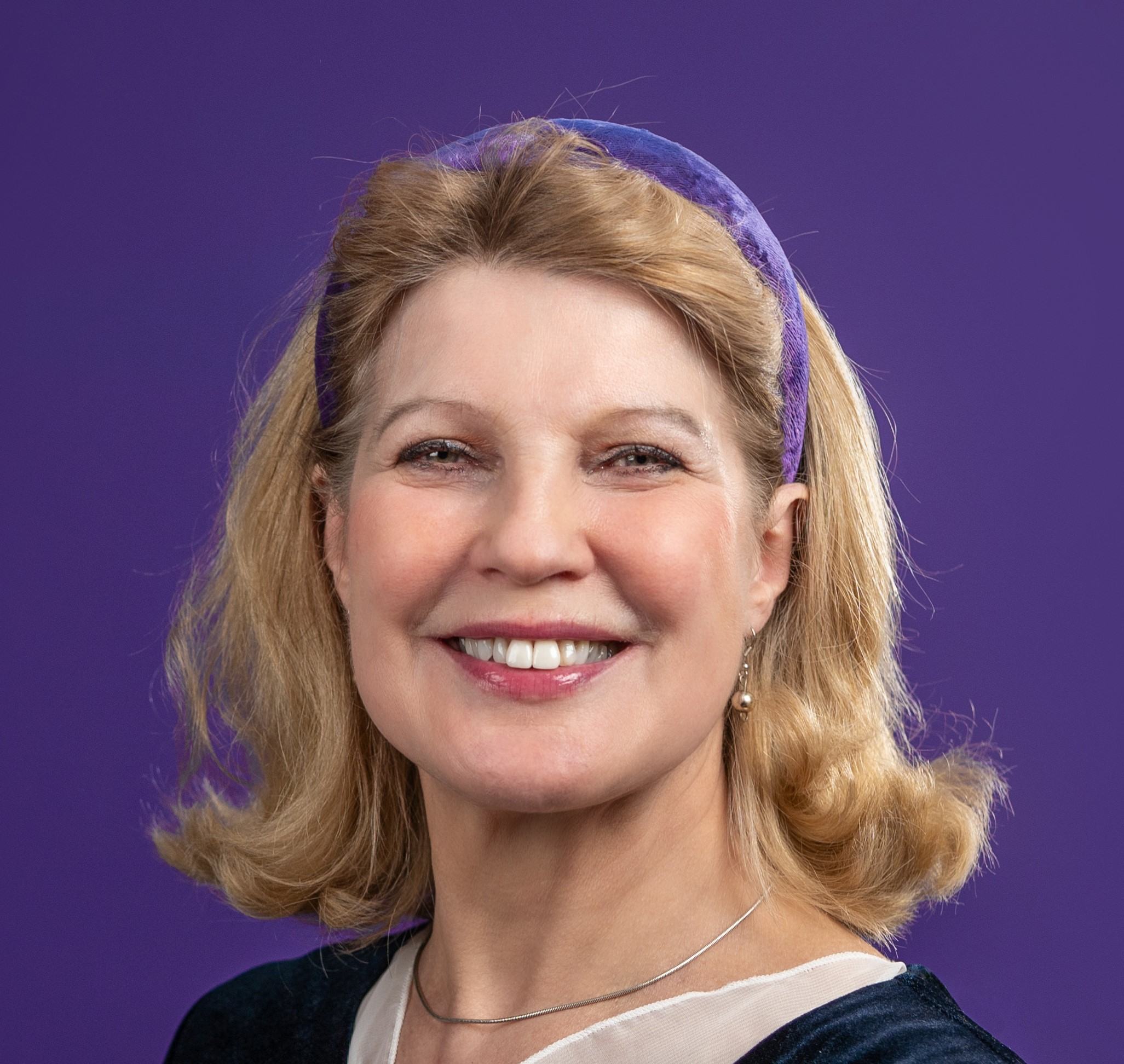
Elli Aaltonen omaa pitkän kokemuksen sosiaali- ja terveysjohtamisesta. Hän on työskennellyt niin kuntien sosiaali- ja terveysjohtajana, lääninhallituksen sosiaali- ja terveysneuvoksena, ylijohtajana alauehallinnossa, Kelan pääjohtajana ja viimeksi yliopiston työelämäprofessorina. Työkokemusta on kertynyt myös kansainvälisistä hankkeista, useista projekteista ja selvityshankkeista eri ministeriöissä sekä mittavasta kansalaisjärjestötyöstä, nyttemmin SPR:n puheenjohtajana.
Työssään hän on korostanut sosiaali- ja terveydenhuollon integraation ja kestävän sosiaali- ja terveydenhuollon merkitystä ja vaikuttavuutta. Koulutukseltaan hän on YTT, sosiaalipolitiikan dosentti.
A place reserved for you
Social & Healthcare Circlebrings together a distinguished group of leaders from leading Nordic organisations, united in a trusted and thoughtfully cultivated community. As a member, you are invited to experience a carefully curated calendar of gatherings, refined conversations, and forward-looking insights — all designed to keep you at the forefront of an ever-evolving business landscape.