Jarmo Pulkkinen on Why Healthcare Transformation Must Start with People
Artificial intelligence is opening new possibilities for social and healthcare services, but technology alone will not deliver meaningful transformation. According to Jarmo Pulkkinen, the real challenge lies in how organisations lead change, engage professionals and translate AI capabilities into everyday practice.
Reading time approximately 6 minutes
The Real Challenge Is Not the Technology
For social and healthcare organisations, artificial intelligence presents both an opportunity and a leadership challenge.
AI promises to support professionals, streamline administrative processes and transform how services are delivered. Yet the growing availability of AI tools does not automatically translate into better outcomes.
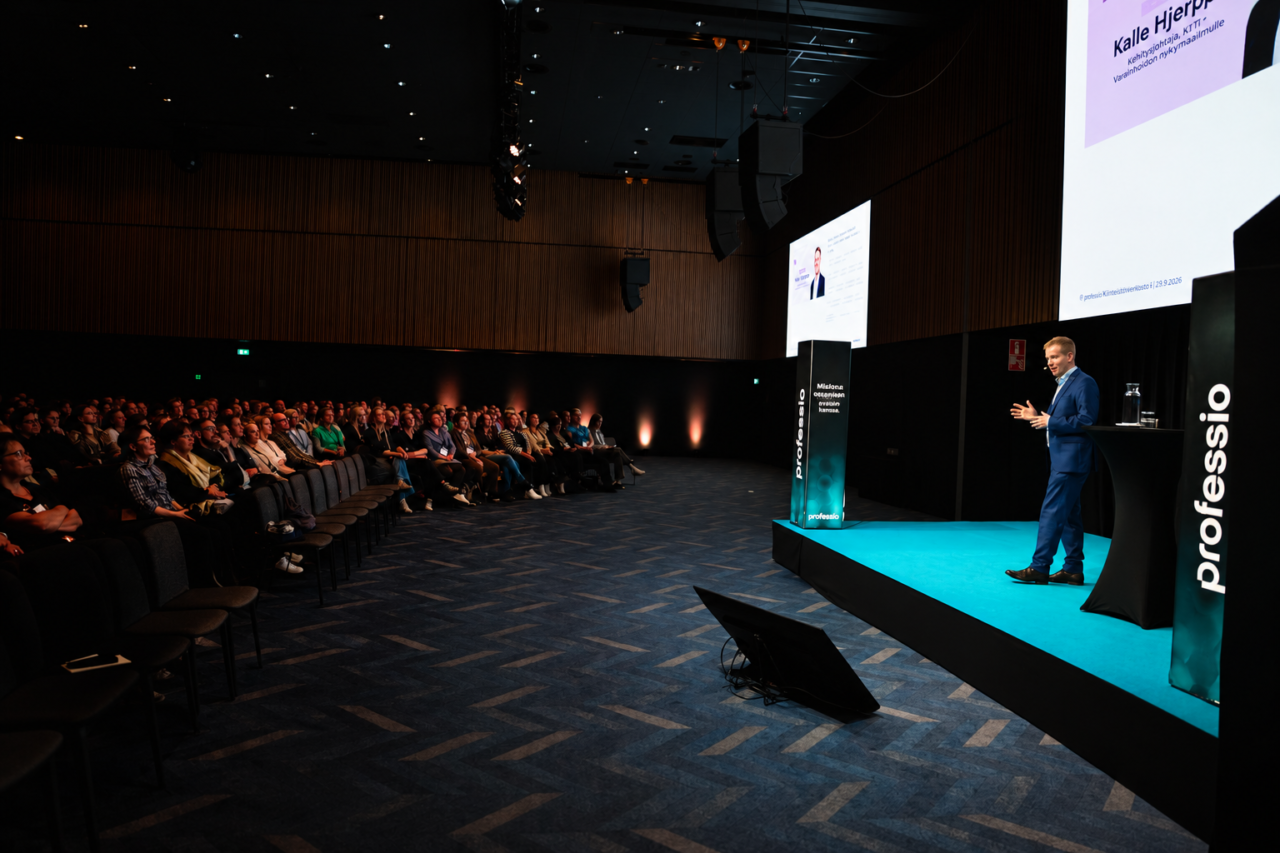
Speaking at a Professio event, Jarmo Pulkkinen challenged leaders to look beyond the technology itself.
He opened with a distinction between what AI appears capable of doing and what it can reliably deliver.
“For the first time in human history, we have technologies that imitate human capabilities, widely available and at a relatively low cost.”
But there is a catch.
“The bad news lies in that same definition. It still only imitates.”
Pulkkinen cautioned against accepting AI-generated information without evaluating its reliability. For healthcare organisations, where information quality and professional judgement are essential, this distinction is particularly important.
The leadership challenge is therefore not simply how quickly AI can be introduced, but how responsibly and effectively it can be integrated into existing services.
AI Transformation Belongs to the Entire Organisation
One of Pulkkinen’s central messages was that AI adoption cannot be delegated entirely to technology departments.
“This is not just a question for IT management or service delivery. This concerns all of us.”
Successful implementation requires decisions at several levels of the organisation.
Senior leaders must establish direction and priorities. Managers need to understand how AI changes everyday work. Professionals must have opportunities to develop the skills and confidence needed to use new technologies appropriately.
This makes AI transformation an organisational challenge rather than a conventional technology project.
For executive teams, the implications extend beyond choosing systems or approving investments. They involve creating an environment in which technology, professional expertise and organisational learning can develop together.
The Most Valuable AI Insights May Already Exist Within the Workforce
Pulkkinen offered a particularly relevant challenge to leaders planning their next digital transformation initiative.
“Instead of buying consultants like me to come into your organisation, listen to your employees.”
Drawing on interviews with digitalisation and AI pioneers working across Finland, he highlighted the value of professionals who combine practical healthcare expertise with technological understanding.
These employees are uniquely positioned to recognise where AI could support existing workflows and where its limitations could create problems.
Their knowledge can help organisations move beyond abstract discussions about technological potential and identify opportunities grounded in actual service delivery.
For leaders, this raises an important question: are organisations making sufficient use of the expertise already available within their teams?
From AI Experimentation to Organisational Capability
As AI becomes increasingly accessible, the ability to experiment with technology is no longer enough to distinguish organisations.
What matters is whether those experiments lead to meaningful changes in working practices.
In social and healthcare, this requires balancing innovation with the responsibilities that come with sensitive information, complex service environments and decisions affecting people’s lives.
Pulkkinen’s warning against unquestioning trust in AI is especially relevant in this context. A convincing answer is not necessarily a correct one, and technological capability does not remove the need for human accountability.
The organisations best positioned to benefit from AI will be those that combine technological development with professional expertise, clear leadership and a willingness to learn.
The Future of Healthcare AI Starts with Leadership
AI is not a temporary trend that healthcare organisations can simply wait out.
But neither is it a transformation that can be achieved through technology procurement alone.
For social and healthcare executives, the strategic opportunity lies in connecting AI investments with the realities of everyday work and the people delivering services.
The question is no longer whether artificial intelligence will influence the future of healthcare. It is whether organisations can build the leadership, skills and working practices needed to turn that potential into lasting value.
Experience the Full Keynote
This article offers a glimpse into Jarmo Pulkkinen’s keynote on artificial intelligence, digital transformation and the future of social and healthcare services.
The conversation continues at Social & Healthcare Executive, bringing together senior leaders and decision-makers to explore how technology, leadership and innovation are reshaping the sector.
Gain fresh perspectives, exchange insights with peers and connect with the people driving the future of social and healthcare.
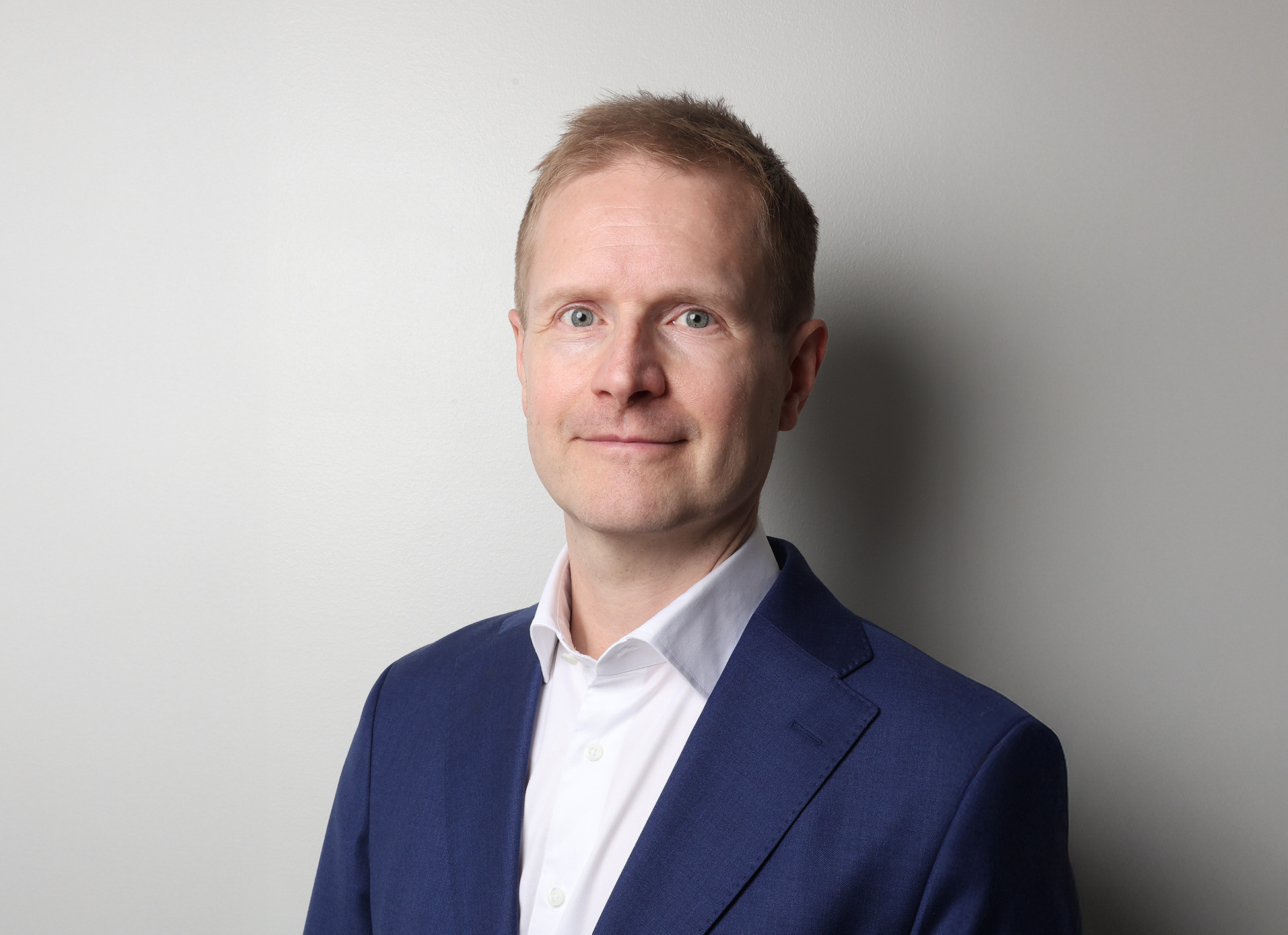
Hallintotieteiden tohtori Jarmo Pulkkinen on tutkinut julkisen sektorin digitalisaatiota ja tekoälyn käyttöönottoa kunnissa ja hyvinvointialueilla. Jarmon väitöskirja käsitteli työntekijöiden digitalisaatiovalmiuden mahdollistamissa kunnissa. Tutkimustyön lisäksi hänellä on yli 25 vuoden kokemus digiprojektien toteuttamisesta yli 300 organisaatiolle.
Tutustu kaikkiin Profession koulutuksiin ja tapahtumiin, joihin valitsemme aina parhaat kouluttajat ja puhujat.
Social & Healthcare Circle brings together a distinguished group of leaders from leading Nordic organisations, united in a trusted and thoughtfully cultivated community. As a member, you are invited to experience a carefully curated calendar of gatherings, refined conversations, and forward-looking insights — all designed to keep you at the forefront of an ever-evolving business landscape.