Supplier data showed 15% exposure to China. Deeper mapping revealed nearly 90%.
How well do you know your supply chain beyond your direct suppliers?
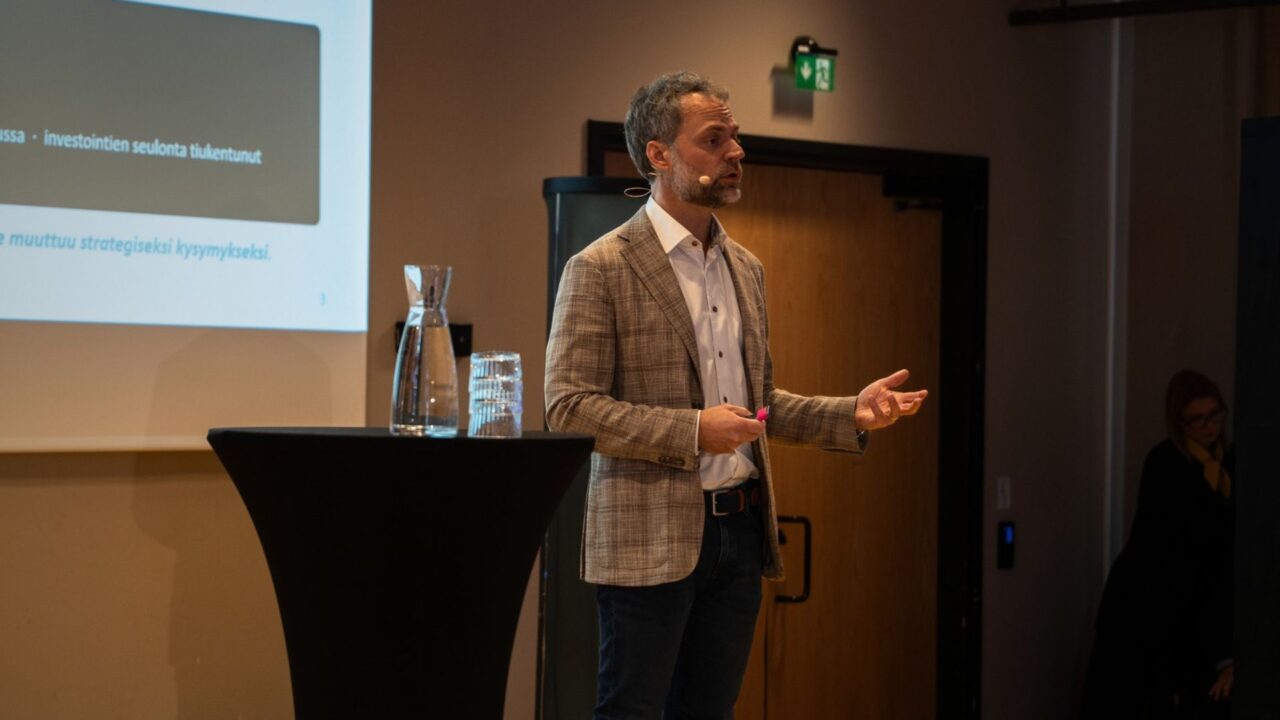
For Mikael Wigell, Founder and CEO of Economic Security Forum, this is an increasingly strategic question. Companies may know their first-tier suppliers well, yet have limited visibility into the factories, materials and dependencies several tiers upstream.
The technology company’s case illustrates the consequences. What appeared to be relatively limited exposure to China became a substantial dependency once the analysis extended deeper into the supply chain.
The risk was already there. The company’s supplier data simply did not reveal its full extent.
When diversification leaves the dependency unchanged
Working with several suppliers can create a sense of security. But those suppliers may ultimately depend on the same production facility, critical material or transport route.
Wigell described how seemingly independent supply chains often converge further upstream. A disruption at one shared point can therefore affect several suppliers simultaneously.
For procurement leaders, this changes the question. Counting suppliers is insufficient: understanding where their dependencies meet is what reveals whether diversification actually improves resilience.
From efficiency to resilience
Wigell described the changing global economy through the metaphor of an archipelago. Economic networks are fragmenting as the United States, China, Europe and others seek greater self-sufficiency and reduced dependence on one another.
Export controls, sanctions and investment screening make access to critical materials and components a matter of geopolitical competition.
This changes what procurement needs to optimise.
The efficiency logic of just in time increasingly gives way to just in case: how can the business continue operating when supply chains are disrupted? Cost remains relevant, but decisions must also account for dependencies, alternative routes and the ability to respond.
Map first. Ask more targeted questions.
Traditional supply chain mapping often begins with supplier questionnaires, passed from one tier to the next. Across complex networks, this can become slow and difficult to sustain.
Wigell outlined a different starting point: using AI and open data to map upstream dependencies before approaching suppliers.
The aim is to identify the factories, locations and bottlenecks that deserve closer attention. Procurement teams can then direct their questions towards the most critical parts of the network.
This approach does not replace supplier enquiries. Wigell emphasised that findings need verification using other data and targeted follow-up with suppliers. The value lies in building a broader view first, then knowing where to investigate.
Visibility can become negotiating power
Understanding dependencies supports practical decisions about alternative suppliers, inventory and longer contracts. But Wigell’s argument extends beyond managing disruption.
A deeper supply chain map can also strengthen a company’s negotiating position. Knowing the risks associated with a supplier — and the alternatives available — creates a stronger basis for commercial discussions.
It can also reveal opportunities to occupy a strategically valuable position within the network. A company that controls a critical component or flow others depend on may gain influence over the terms of competition.
This brings procurement closer to the core of business strategy: connecting sourcing decisions with resilience, competitive advantage and long-term positioning.
Wigell closed with two questions for leaders to consider:
“Which dependency would you least want to discover four tiers upstream? And where could your company become the supplier others cannot bypass?“
Mikael Wigell spoke at Procurement Executive 2026 at Kulttuurikasarmi in Helsinki on 26 August 2026.