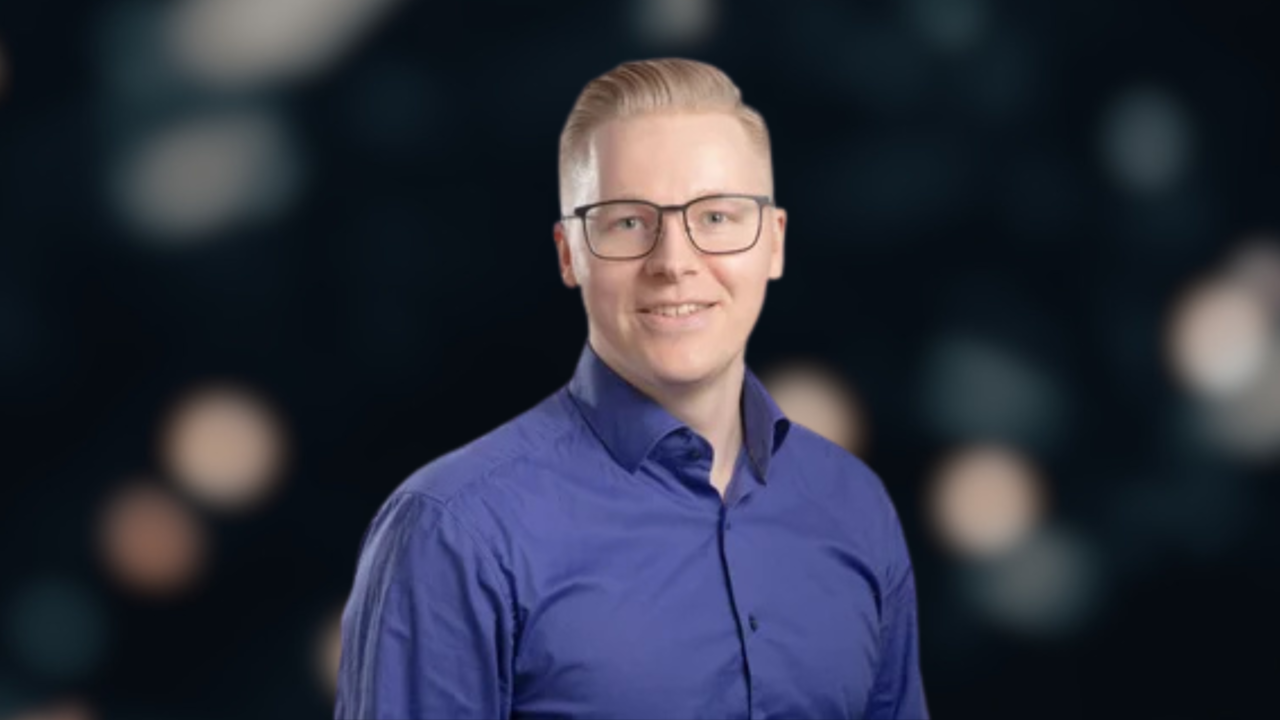
The End of Email? Bilal Zafar on How AI Will Transform the Way We Work
Speaking at CxO Industry 2026, AI expert and entrepreneur Bilal Zafar argued that artificial intelligence is moving far beyond productivity tools. It is beginning to reshape communication, infrastructure, mobility and the role of human judgement at work.
Lukuaika noin 6 minuuttia
Email as We Know It Is Running Out of Time
Email has defined knowledge work for decades. Yet much of what fills an inbox is not decision-making or creative work, but the routine movement of information between people, teams and systems.
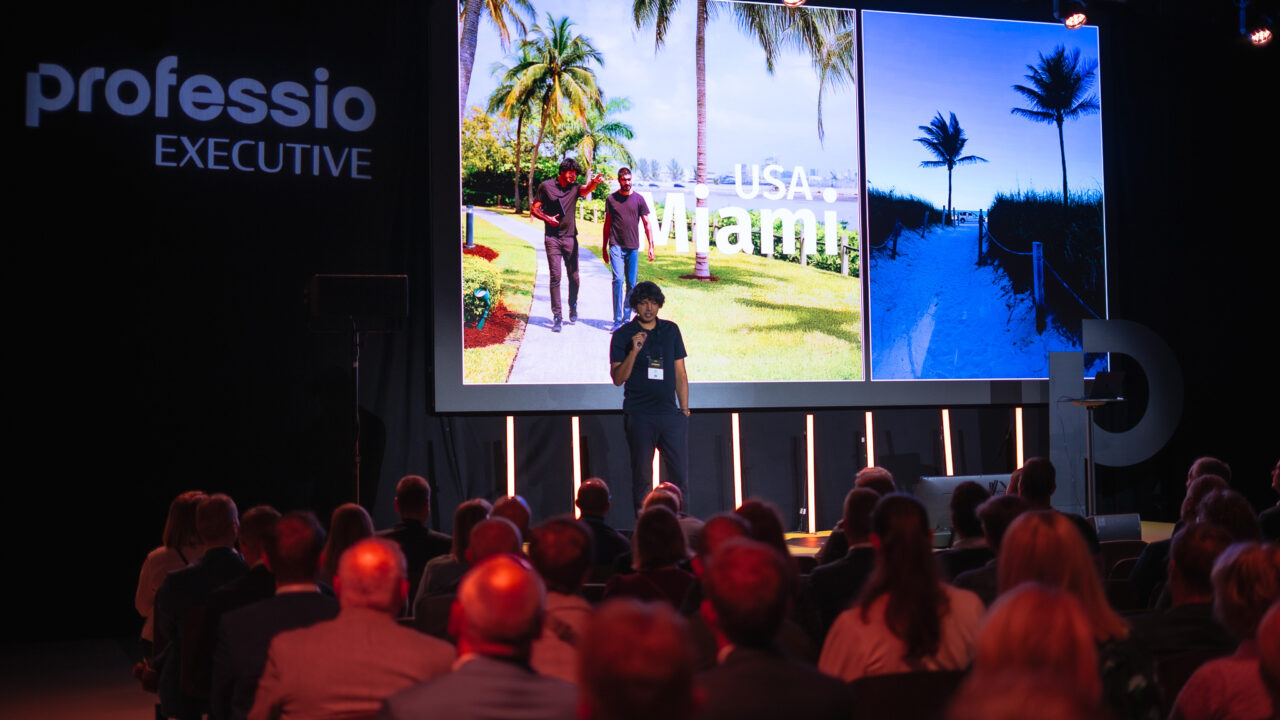
Speaking at Professio’s CxO Industry 2026 event in Espoo, Bilal Zafar predicted that AI will increasingly take over this hidden coordination layer. As systems become capable of understanding context and acting on information directly, people will no longer need to serve as organisational routers to the same extent.
“A lot of day-to-day stuff, a lot of email stuff, a lot of bureaucracy will vanish because we humans tend to be like a human router, distributing information.”
His timeframe was strikingly concrete.
In the next five years, emails like we used to write will be obsolete.
For executive teams, the implication is not simply a more efficient inbox. It is a shift in workflows, responsibilities and organisational design. When AI can receive, interpret and direct information, leaders need to decide where automation should act independently and where people must remain accountable.
From Language Models to Machines That Act
The next phase of AI will not remain confined to text. Zafar highlighted the rapid development of vision models, autonomous vehicles and robotics—systems that can interpret the physical world and act within it.
He used autonomous driving as an example of how quickly a technology can move from demonstration to daily service. The same underlying direction is increasingly visible in industrial environments, where machines learn from images, video, simulations and real-world operations.
This broadening of AI changes the leadership question. The task is no longer only to identify useful software. Leaders must understand how intelligence becomes embedded in products, processes, infrastructure and physical operations.
Capability Needs a Risk Assessment
Zafar also cautioned against confusing capability with certainty. He described using AI in situations involving health and legal questions, but emphasised that an answer is not enough. Decision-makers also need to understand how reliable it is and what happens if it is wrong.
The effectiveness of these operations stems from human psychology rather than technology alone.
You have advice from AI, but you need a risk assessment. So as a human being, I can think: can I trust this?
This may become one of the defining management responsibilities of the AI era: deciding not only what machines can do, but what they should be allowed to do—and which decisions still require human judgement.
The Human Question Behind the Technology
Zafar acknowledged the risks of manipulation, synthetic content and the use of AI in conflict. Yet his closing message was deliberately optimistic. The scale of the technology, he argued, makes ethics and human responsibility more important rather than less.
His argument is that AI assistants, AI companions and personalised AI systems will increasingly replace traditional social platforms as the primary interface through which people access information.
How will humanity change once machines become better than us? Maybe we will have to be better human beings.
“Artificial intelligence will be the story of our life. So let’s focus on the good things and use AI to the benefit of humanity.”
For executive teams, the opportunity is enormous—but so is the responsibility. AI will not only accelerate existing work. It will challenge organisations to redesign how information flows, how decisions are made and where distinctly human judgement creates value.
About the Speaker
AI expert, keynote speaker
Bilal Zafar
AI expert, keynote speaker
Bilal Zafar
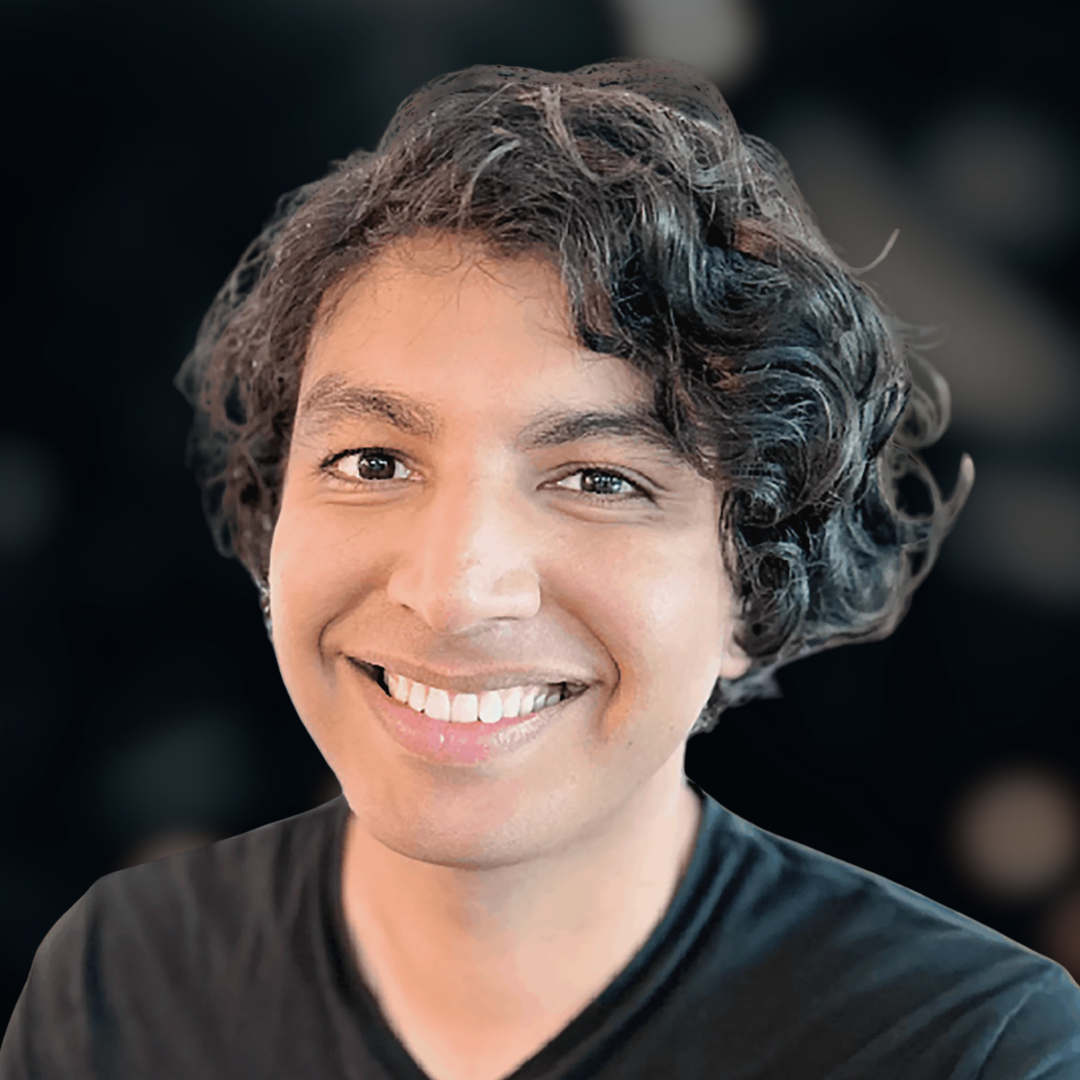
Bilal Zafar (bilal-zafar.de) is a renowned keynote speaker, entrepreneur, and expert in artificial intelligence. He studied business administration and completed AI courses at Stanford. Bilal is one of the most booked speakers across Europe, regularly engaged by international companies. He is also known from various television formats. His first German book, “The Smartest Friend We Ever Had”, was released in bookstores in Germany in 2025.
Experience the Full Keynote
This article offers a glimpse into Bilal Zafar’s keynote at CxO Industry 2026. The discussion on AI-powered industry, digital resilience and leadership continues at the next CxO Industry event.
Industry Circle brings together a distinguished group of industry leaders from leading Nordic organisations, united in a trusted and thoughtfully cultivated community. As a member, you are invited to experience a carefully curated calendar of gatherings, refined conversations, and forward-looking insights — all designed to keep you at the forefront of an ever-evolving business landscape.