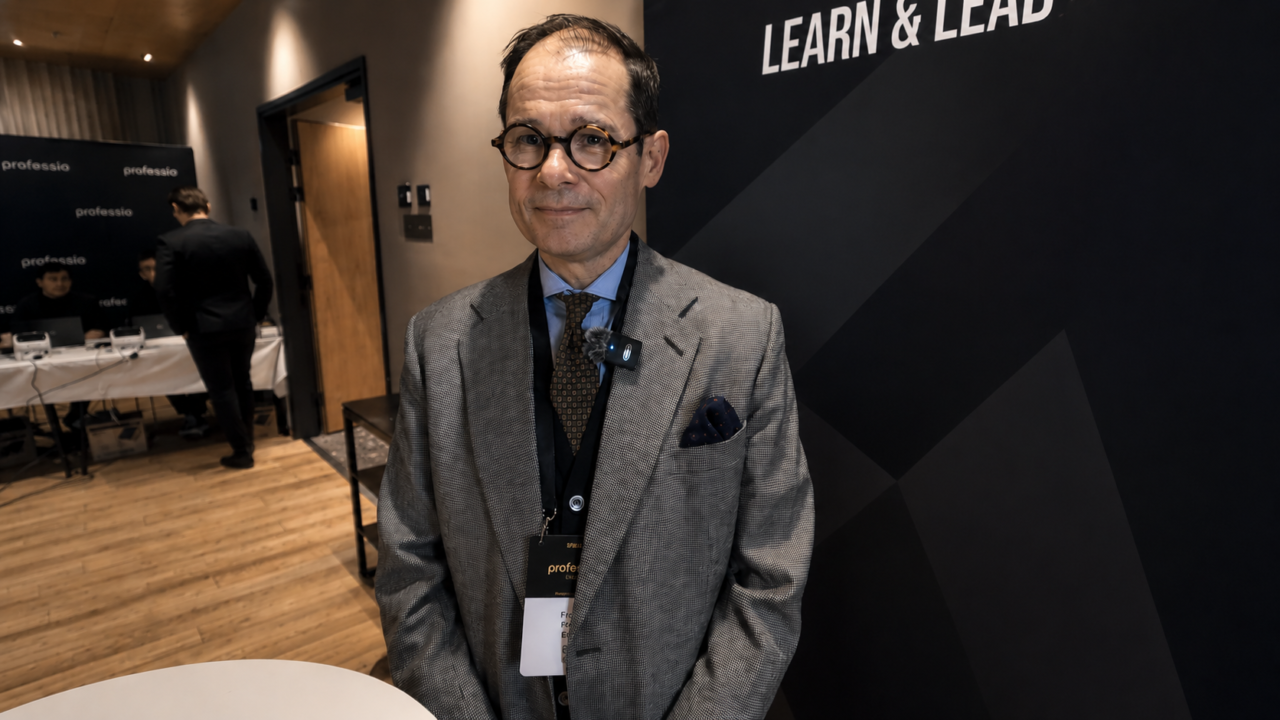
The Old World Is Not Coming Back: Fredrik Erixon on Competing in a New Global Economy
In this exclusive interview from CEO Nordic 2026, Fredrik Erixon shares why Nordic executives need to embrace a new economic reality, where future growth will come from and why speed has become one of the region's greatest competitive advantages.
The biggest opportunity we have is not what exists today—it’s what is going to exist in the future.
Fredrik Erixon on Competing in a New Global Economy
In this exclusive interview from CEO Nordic 2026, Fredrik Erixon discusses the changing global economy, Europe’s competitiveness, the technologies shaping future growth and why speed may become the Nordic region’s greatest strategic advantage.
Watch the full video interview below.
Waiting Is No Longer a Strategy
Rather than waiting for economic conditions to improve, Erixon argued that organisations need to start preparing for the economy that is emerging today.
That means investing in growth, committing capital earlier and positioning products and capabilities where future demand is being created—not where it existed in the past.
“The old world is not coming back.”
For Erixon, uncertainty is not a reason to delay decisions. The organisations that succeed will be those willing to adapt early and move before the market settles into a new normal.
The Nordics Are Building Their Next Growth Story
The past decade has not been easy for the Nordic economies. Slow growth, inflation, higher interest rates and geopolitical uncertainty have all weighed on the region, following years of industrial disruption and technological change.
Yet Erixon believes the Nordics are entering a new phase.
Rather than trying to recreate the success of previous industrial champions, a new generation of entrepreneurs, startups and technology companies is emerging. Backed by world-class engineering talent and a strong culture of innovation, they are investing in fields that could define the next wave of economic growth.
Artificial intelligence is part of that story, but Erixon also highlighted opportunities in quantum technologies, space and other advanced engineering sectors where the Nordics already have significant expertise.
For him, the region’s greatest strength is not its size, but its ability to turn technical excellence into new industries.
Europe Should Focus on Its Own Competitiveness
Erixon argues that Europe should spend less time worrying about the strategic rivalry between the United States and China and more time improving its own economic prospects.
In his view, the continent has become too cautious—too quick to regulate emerging technologies instead of helping businesses scale and innovate. The consequences are already visible in sectors such as data and technology, where Europe risks falling behind global competitors.
Rather than focusing on decisions made in Washington or Beijing, Europe should concentrate on what it can control: raising economic growth, accelerating innovation and creating better conditions for companies to succeed.
The Nordics Don’t Need to Be Bigger — They Need to Be Faster
Erixon believes Nordic organisations should stop trying to compete on size.
The region will never have the world’s largest companies, biggest data centres or deepest pools of capital. But it doesn’t have to.
Instead, the Nordics can compete by making decisions faster, adapting more quickly and turning innovation into commercial advantage ahead of larger rivals.
As Erixon argued, speed is becoming one of the few advantages that smaller economies can consistently leverage.
KEYNOTE
Economist, Writer and the Founding Director of the European Centre for International Political Economy (ECIPE)
Fredrik Erixon
Economist, Writer and the Founding Director of the European Centre for International Political Economy (ECIPE)
Fredrik Erixon
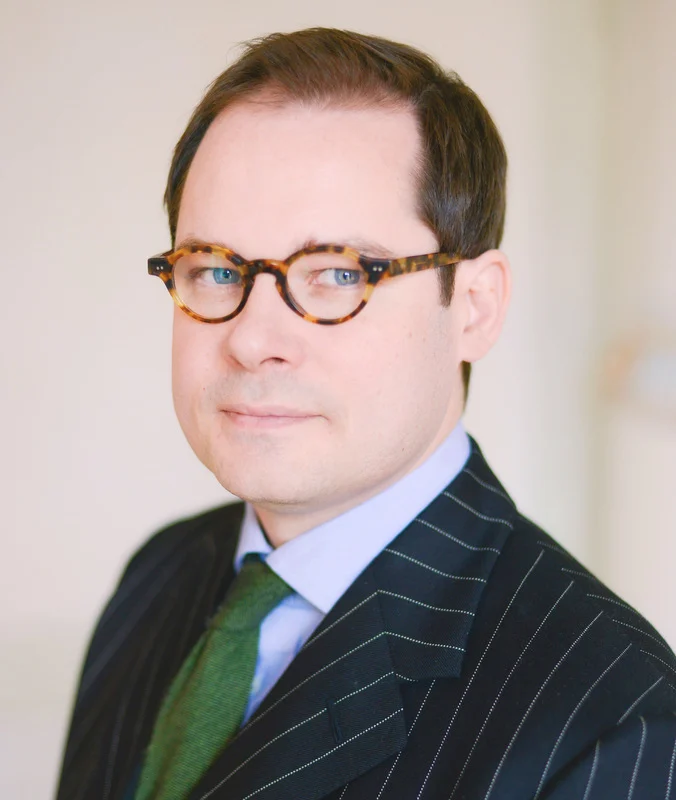
Fredrik is a widely respected economist and global policy expert. He has advised governments, major companies, and international institutions on trade, regulation, and economic strategy.
He is the founder of ECIPE, a Brussels-based think tank on global economic policy and the author of several influential books, including The Innovation Illusion, named one of the best business books by the Financial Times.
With a background spanning government, finance, and academia, he is known for making complex global issues accessible—and relevant—for business leaders navigating today’s geopolitical and economic shifts.